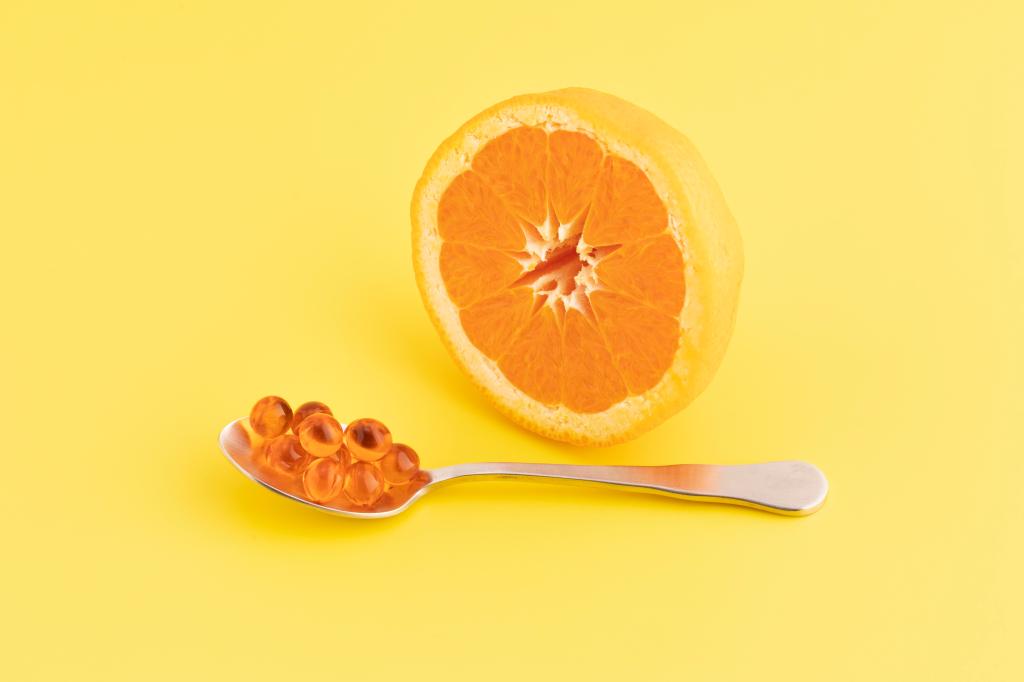
Are Vitamin C Tablets Really Effective?
10 Natural Vitamin C Foods
Every vitamin is essential for our body’s functioning. Absent or low levels of any vitamin can cause a deficiency of that particular vitamin, which can lead to other health problems.
One of the most essential vitamins is Vitamin C. Vitamin C should be consumed through natural sources, which include vegetables, fruits, berries, and other superfoods. Some medicated sources of vitamin C may include vitamin C tablets.
Vitamin C is an essential nutrient that promotes collagen synthesis, which maintains the integrity of skin, bones, and cartilage.
Vitamin C also shields our body cells from oxidative stress in order to prevent certain diseases.
The best mode to consume vitamin C is from natural sources, such as fruits and vegetables.
Below are listed some of the foods rich in Vitamin C:
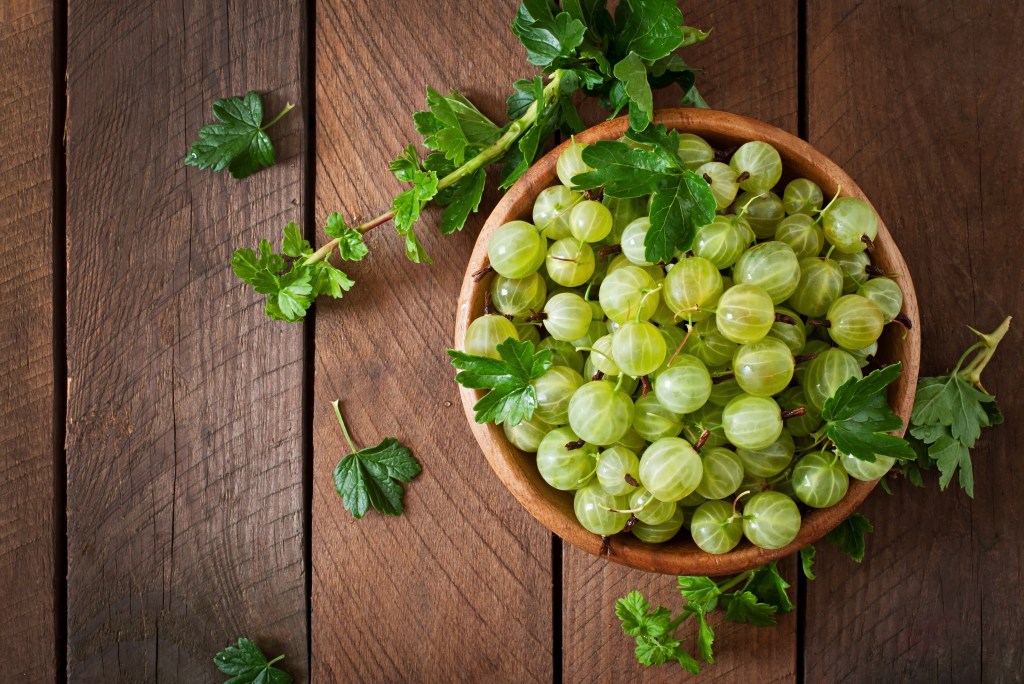
1. Amla
100g = 600mg
Also known as the Indian Gooseberry, it is known for its staggering vitamin C content. It is said that one amla contains twice the amount of vitamin C than an orange.
It is a very strong vitamin C source and is beneficial when consumed raw.
Excessive intake of amla can increase “Pitta”.
Pitta is an Ayurvedic term that refers to heat and fire; when Pitta increases, metabolic and digestive activity and bile production also increase.
In some cases of excessive intake, it can cause red, itching rashes to appear on the skin.
2. Guava
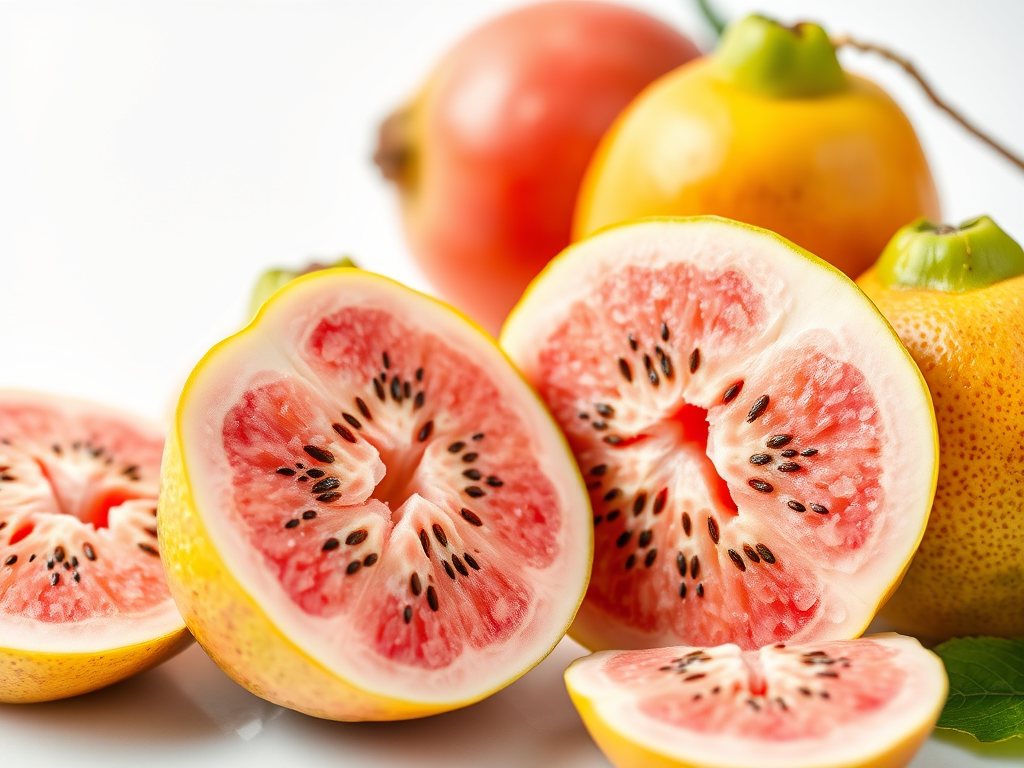
100g = 228mg
Guava is a rich source of vitamins C, A, and E. It also acts as an excellent source of dietary fiber and minerals such as potassium, magnesium, and phosphorus.
Guava contains numerous phytochemicals, which are essential for overall human health.
It is also beneficial for diabetic patients.
3. Blackcurrant
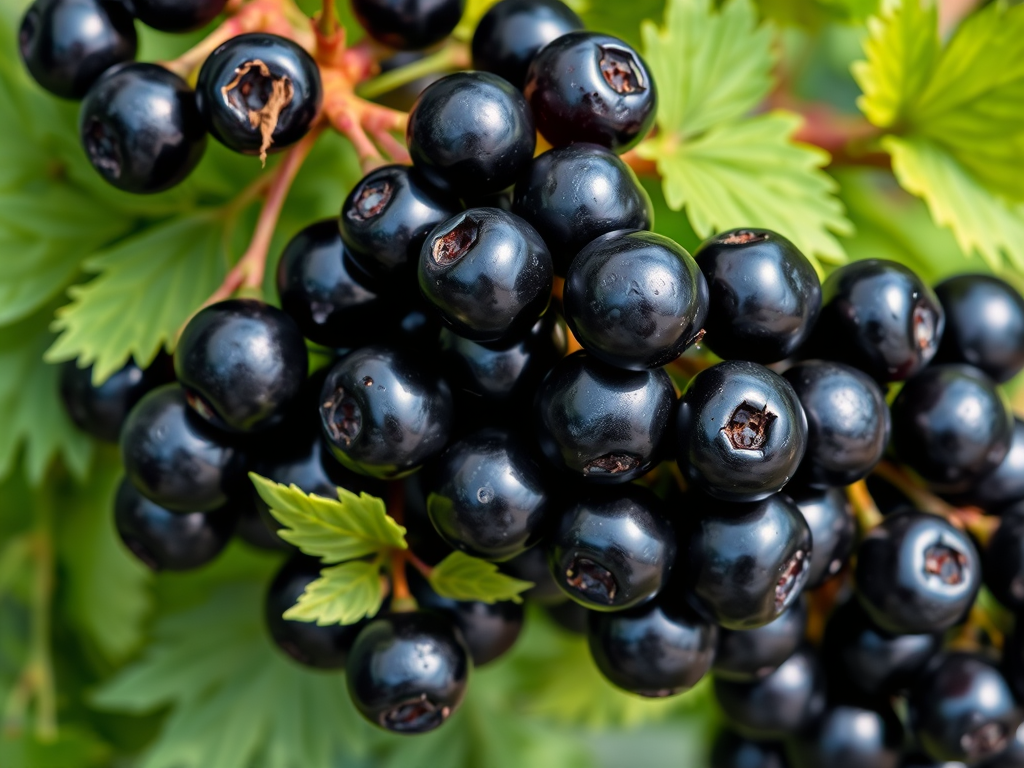
100g = 200mg
Blackcurrants contain three times the vitamin C than lemons.
They are a rich source of vitamin C and possess a good amount of antioxidants as well.
Even in comparison with other superfoods, blackcurrants have better health-promoting nutrients.
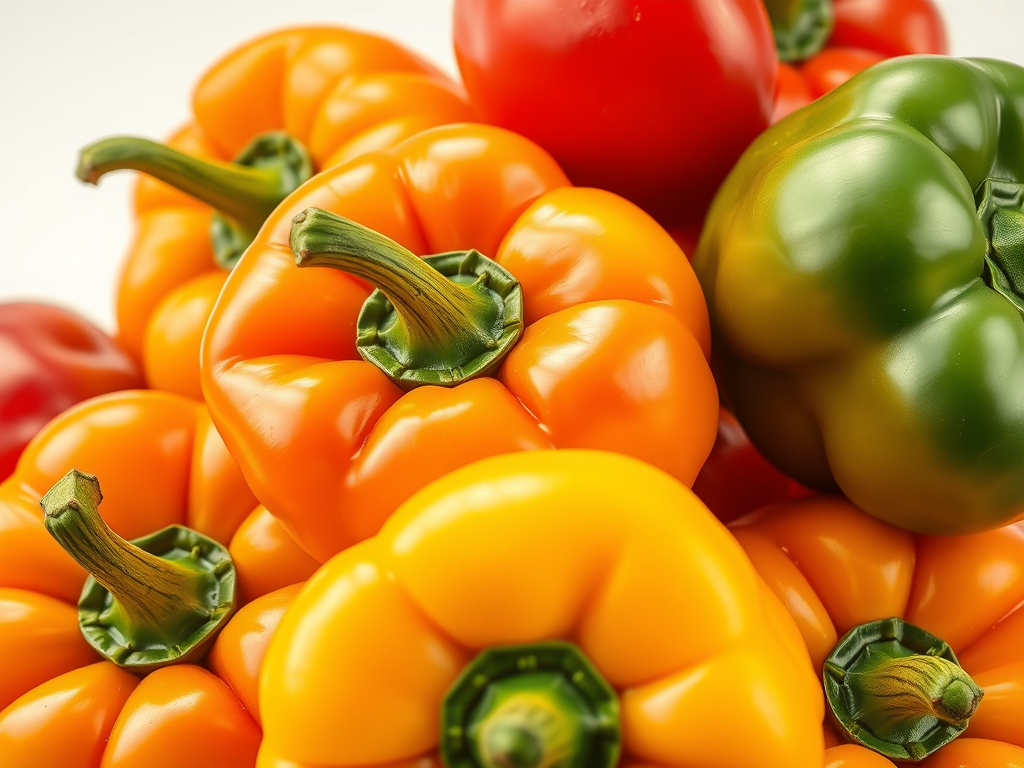
4. Bell Peppers
100g = 143mg
Red bell peppers provide around 50% more vitamin C than green bell peppers.
It is one of the most important vegetables rich in vitamin C. They contain powerful antioxidants like beta-carotene, capsanthin, and quercetin, which help combat free radicals and reduce inflammation.
Bell peppers also support healthy vision due to their vitamin A content.
When consumed raw, they preserve maximum nutrients, making them an excellent addition to salads and wraps.
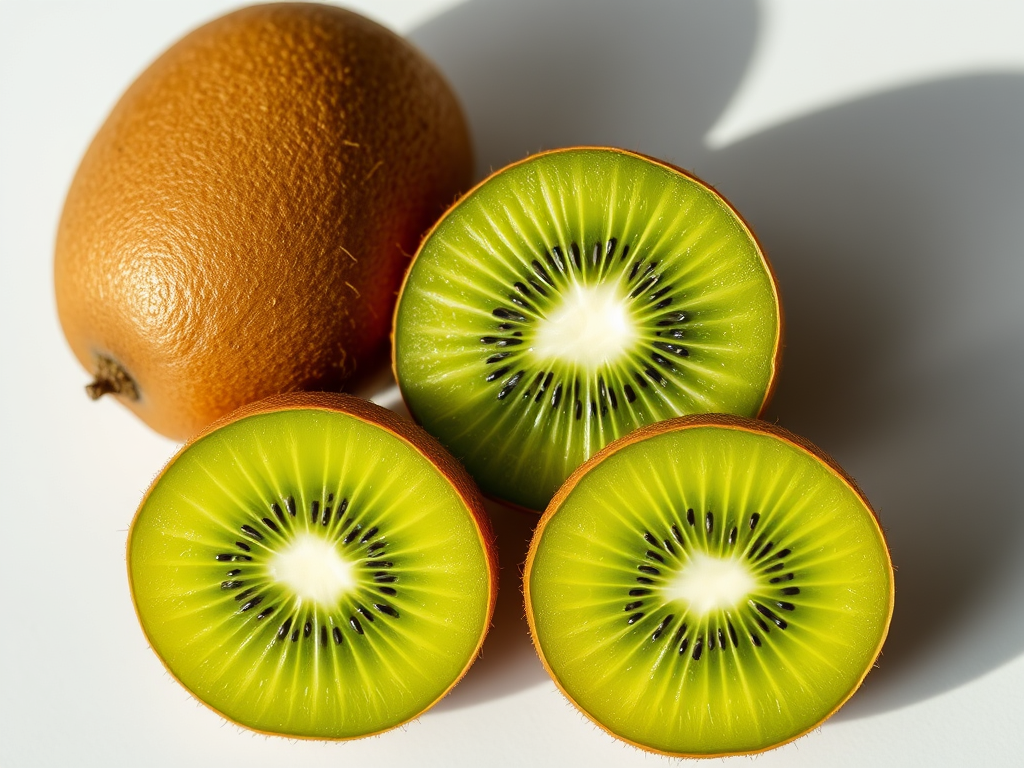
5. Kiwi
100g = 92mg
Kiwi provides vitamin C in adequate amounts. 100g of kiwi can fulfill the daily requirement of vitamin C.
Kiwi also contains other vitamins such as vitamin E (tocopherol). It significantly lowers blood clotting and other cardiovascular diseases. In addition, kiwi is rich in dietary fiber, which aids digestion and supports gut health.
It contains actinidin, an enzyme that helps break down proteins and improve digestion.
The fruit is also known to boost immunity and improve sleep quality due to its antioxidant and serotonin content.
Regular consumption of kiwi can also help reduce oxidative stress and improve skin texture.
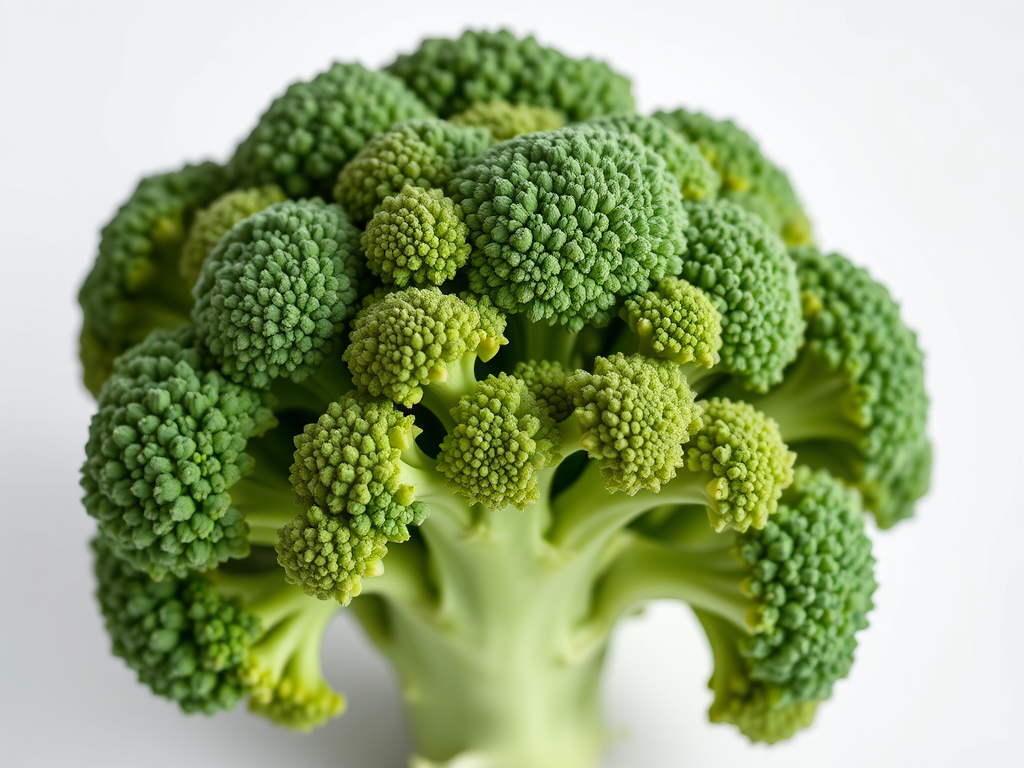
6. Broccoli
100g = 90mg
Broccoli is best served in salads. Cooking it can lower its nutritional value, while half-boiled broccoli retains only 57% of its nutrition.
Broccoli not only contains vitamins but also has anti-inflammatory properties.
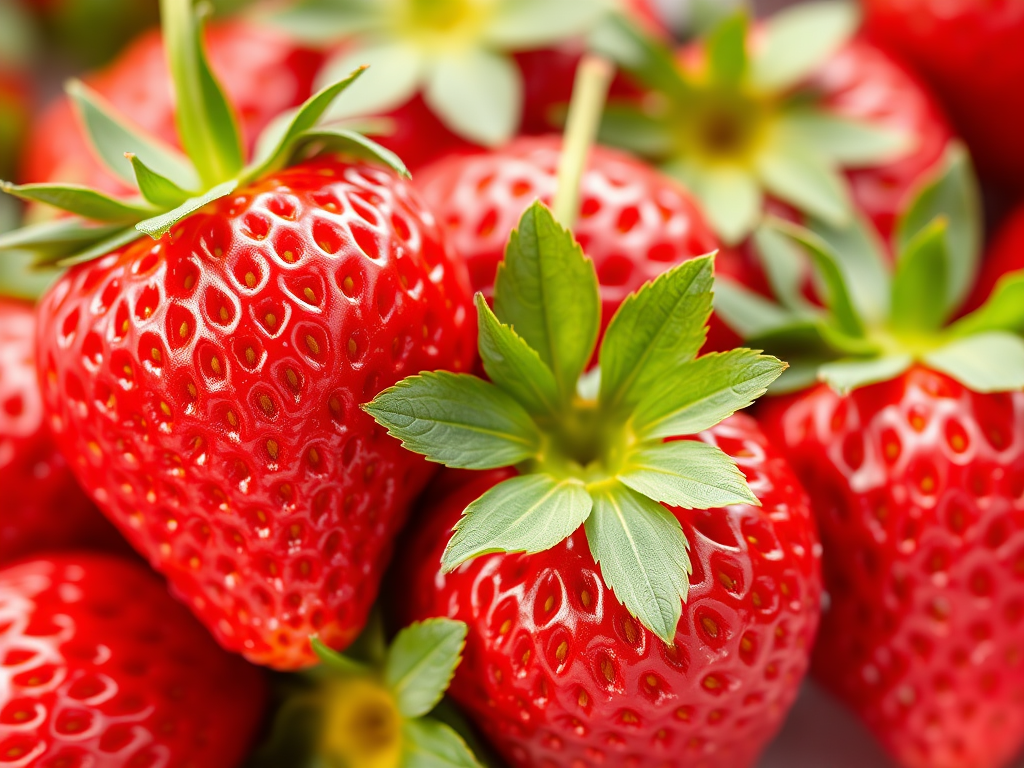
7. Strawberries
100g = 60mg
Strawberries are rich in vitamin C and antioxidants.
They provide slightly more vitamin C than an orange. Strawberries also contain folate, manganese, and dietary fiber, which support heart health and blood sugar regulation.
Their anti-inflammatory and antioxidant properties help protect the skin and boost the immune system.
They’re also low in calories, making them a great addition to a healthy diet.
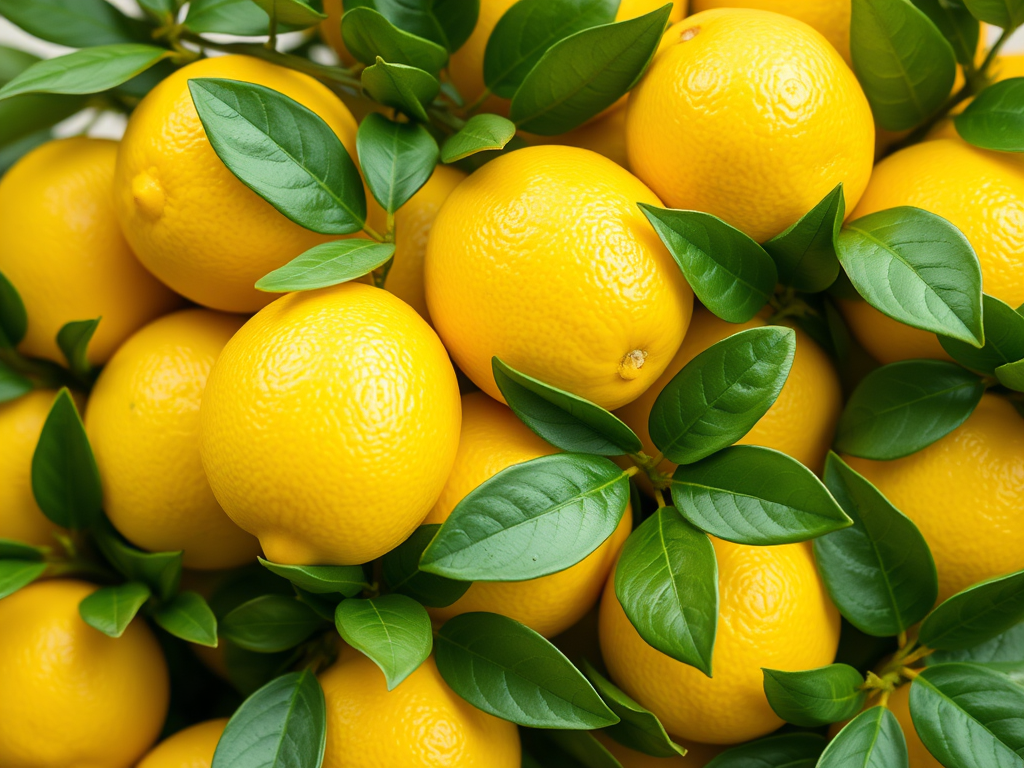
8. Lemon
100g = 53mg
Lemons are a great source of vitamin C and are used daily in teas, drinks, and medicinal beverages.
Lemons contain vitamins, minerals, folate, phytonutrients, and antioxidants.
They increase metabolism, aid digestion, hydrate skin, and help prevent kidney stones — the list goes on.
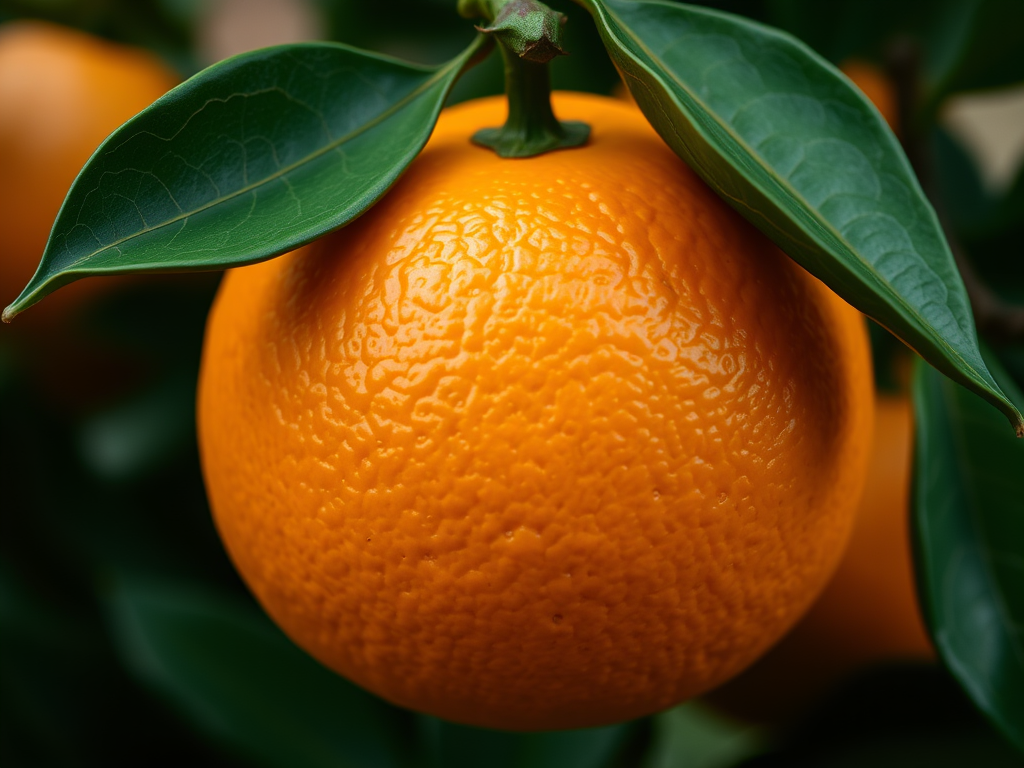
9. Orange
100g = 52mg
Even though many vitamins C-rich foods have surpassed oranges, they still have their own nutritional benefits.
Oranges make a healthy snack, best taken in the morning or during the day.
They promote good skin health and are often used in vitamin C serums. Oranges also support the immune system, improve iron absorption, and help reduce fatigue.
They are rich in fiber, flavonoids, and antioxidants, which contribute to better digestion and cardiovascular health.
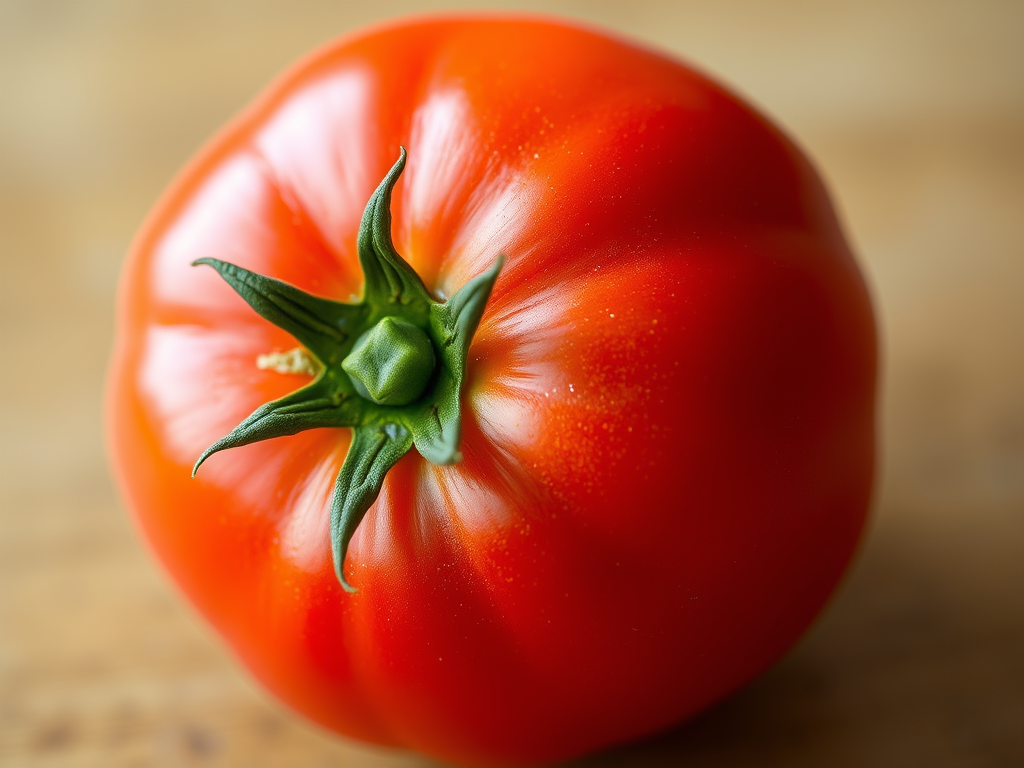
10. Tomatoes
100g = 13mg
Tomatoes have the least amount of vitamin C on this list, but they are still consumed daily in India.
Cooked tomatoes are not as beneficial, as they lose some nutritional value.
Raw tomatoes are a better source of vitamin C. Apart from vitamin C, tomatoes are rich in lycopene, a powerful antioxidant that supports heart health and reduces the risk of certain cancers.
They also provide vitamin K, potassium, and folate, making them a wholesome addition to daily meals.
Tomatoes help maintain skin health and reduce inflammation when consumed regularly.








 The Health & Skincare
Leave a Comment